


Energy · 7 min read
The UAE now watches its whole power grid in real time.Does anyone watch your substation?
If the network is watched in real time centrally, how confident are you in the condition data coming out of your own substations, transformers and transmission lines?
Published 27 July 2026 · AIN UAE
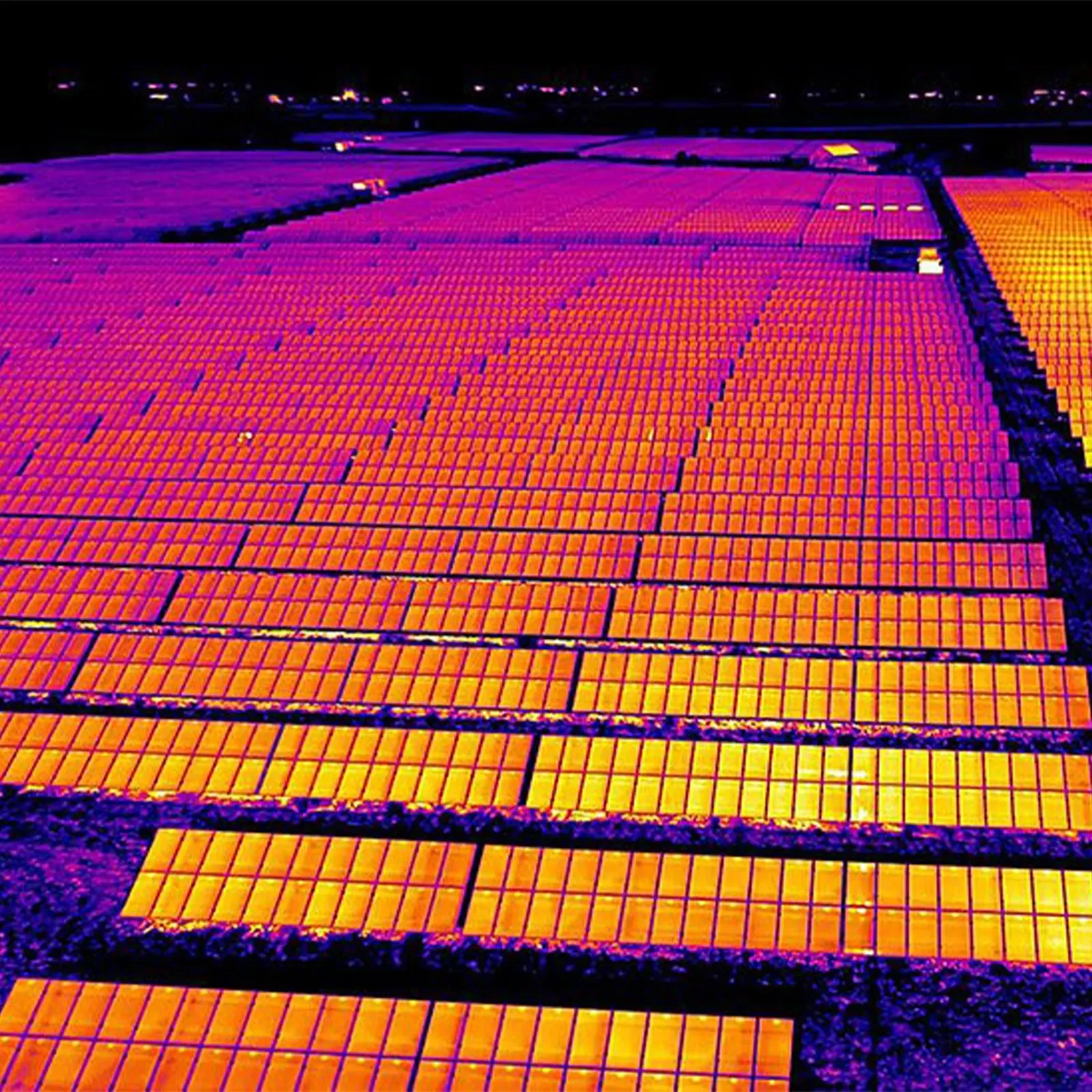
Substation and transformer thermal imaging finds overheating components before they trip a fault: the asset-level version of what a monitoring centre does at network level.
On 9 July 2026, the UAE's Ministry of Energy and Infrastructure switched on the Emirates Monitoring Centre, the country's first national platform for real-time power grid oversight. Built on Siemens' Spectrum Power SCADA system, it links all four UAE electricity utilities, EWEC, DEWA, SEWA and Etihad Water and Electricity, into a single view of a network with roughly 48 gigawatts of installed generation capacity, tracking load, frequency, voltage and power exchange across the Emirates National Grid corridor from Abu Dhabi to the Northern Emirates. It arrives alongside one of the world's largest battery storage projects and a fast-growing data centre buildout that's putting new load on the grid faster than most planning cycles expected.
These aren't three unrelated headlines. They describe a grid getting bigger, more complex and more tightly watched at the network level, all at once. So here's the question for utilities, developers and facilities teams managing the physical assets that make up that grid: if the network is being watched in real time centrally, how confident are you in the condition data coming out of your own substations, transformers and transmission lines?
What the centre actually watches
The Emirates Monitoring Centre gives the UAE a centralised, real-time view of grid performance and resilience across every major provider, the kind of network-level visibility that used to exist only in fragments, utility by utility. It also coordinates during system disturbances or generation outages, acting as the first line of situational awareness for emergency response. It's part of a broader shift in how the UAE approaches energy infrastructure: not just adding capacity, but instrumenting the network so problems show up before they become outages.
The blind spot below the network view
A national monitoring centre gives great visibility into network performance: voltage, load, frequency, outage events. It doesn't tell an asset owner whether a specific transformer bushing is overheating, whether a transmission tower connection is corroding, or whether a substation has a developing hotspot that hasn't tripped a fault yet. That physical, asset-level condition data still has to be captured directly, and for most utilities and facilities teams it's still gathered the old way: scheduled manual walk-downs, often with limited thermal or structural detail, on intervals set by convention rather than actual risk.
As the grid adds more high-value, high-consequence assets, battery storage facilities, substations feeding data centres, transmission infrastructure supporting new industrial load, the cost of missing an early-stage fault goes up with it. A national monitoring layer just raised the bar for what well-managed grid infrastructure looks like. Asset-level inspection needs to catch up.
What aerial inspection adds
- Substation and transformer thermal imaging finds overheating components, loose connections and insulation breakdown before they turn into a failure, the physical-layer version of what the monitoring centre does at network level.
- Drone-based transmission line and tower inspection covers long corridors far faster than ground crews or manual climbing, without de-energising lines or disrupting supply.
- Repeated inspection on a fixed schedule builds a time-stamped condition history for each asset, so degradation shows up as a trend instead of a surprise.
- Structured, geo-referenced reports give engineering teams and regulators a defensible record that condition monitoring, not just network monitoring, is actually happening.
Catching up to the standard the government just set
Nobody managing substations, transformers or transmission assets in the UAE needs to build a national monitoring platform. But the direction is clear. Real-time, data-backed visibility is becoming the expected standard for critical infrastructure, and that expectation keeps moving down from the network level to the individual asset. Utilities, EPC contractors delivering new grid capacity, and facilities teams running energy infrastructure for data centres or industrial sites all have the same opening right now: close the gap between how the network gets monitored and how their own assets actually get inspected.
Sources
- Ministry of Energy and Infrastructure inaugurates Emirates Monitoring Centre · Big News Network
- Siemens & UAE launch unified Emirates Monitoring Center · Technical Review Middle East
- UAE strengthens power grid resilience with national monitoring centre · Dubai Eye 103.8
- UAE Embarks on Grid-Scale Energy Storage Journey · Industrial Info Resources
About AIN UAE
GCAA & DCAA licensed drone data and digital twin company
AIN UAE is a GCAA and DCAA licensed drone inspection and digital twin company based in Dubai, working with utilities, EPC contractors and facilities teams across the UAE and GCC. We capture thermal and structural condition data on substations, transformers and transmission infrastructure without de-energising assets or disrupting supply, delivered as structured, auditable inspection records.
Talk through your project