


Asset Inspection · 5 min read
Eliminating scaffolding:the ROI of drone façade inspections in Dubai
Extreme heat, humidity and wind-borne sand wear UAE building envelopes fast, and regular facade inspection is non-negotiable. Drones are replacing scaffolding, cradles and rope access with a faster, safer, data-driven alternative.
Published 1 August 2026 · AIN UAE
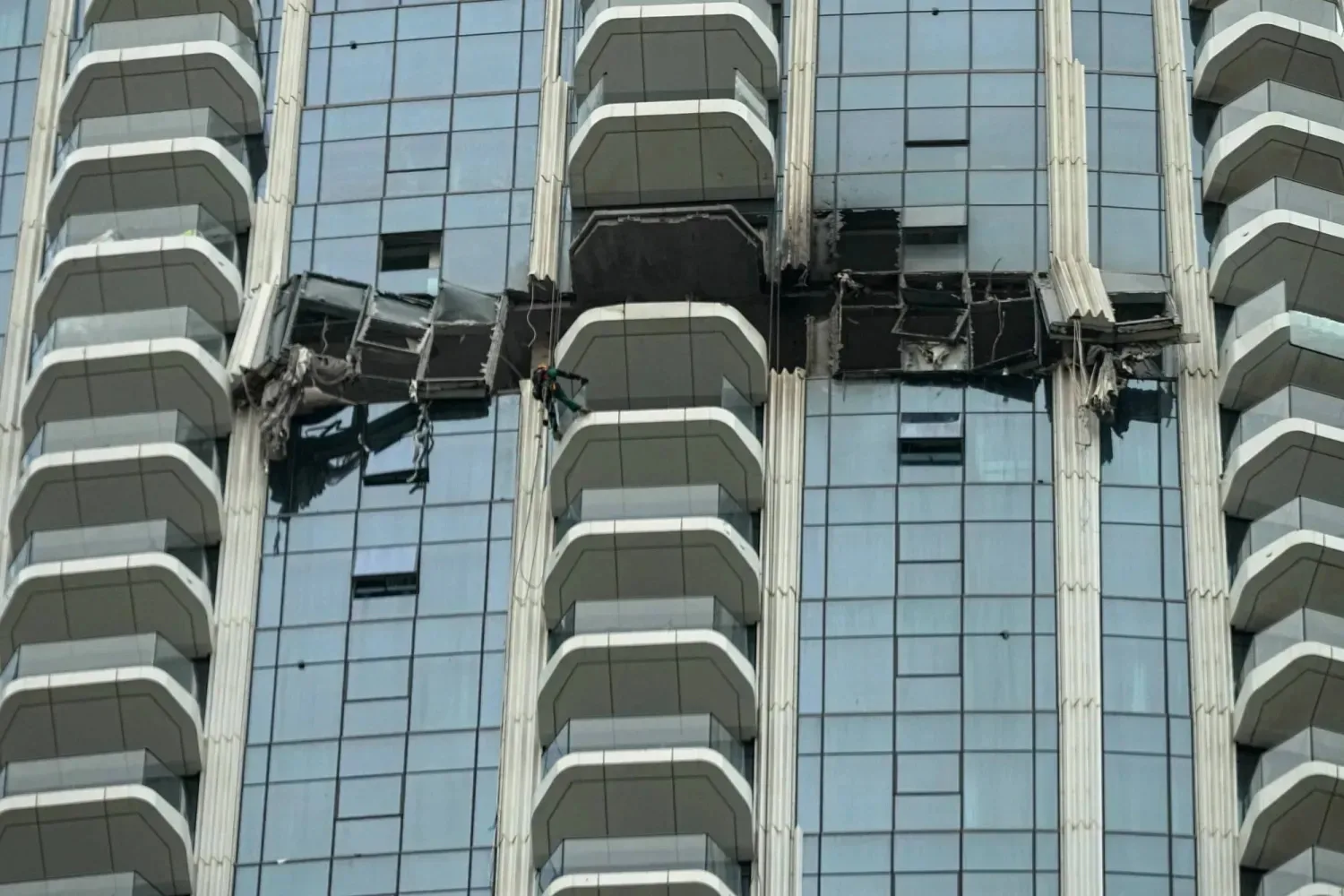
Drone-based facade inspection captures the full building envelope without scaffolding or rope access.
The financial ROI: drone inspections vs legacy methods
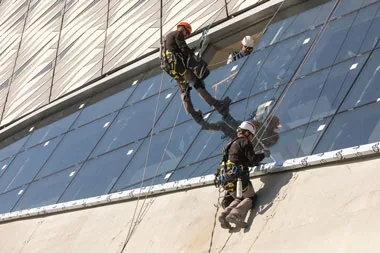
Traditional building inspections incur heavy upfront mobilisation costs. Transporting, erecting and dismantling scaffolding or staging cradles requires substantial manual labour and days of downtime. During this period, building access is restricted, tenant privacy is compromised and aesthetic appeal drops. Drone inspections eliminate these logistical bottlenecks.
- Zero footprint: drones deploy from a single ground station with no heavy machinery.
- Rapid turnaround: a full visual and thermal scan of a 40-storey tower can be completed in under 48 hours, a task that takes weeks using rope access.
- Direct cost reduction: by removing heavy-equipment leasing and manual labour hours, aerial mapping cuts immediate structural survey costs by up to 60–70%.
Spotting invisible defects with thermal imagery
A visual scan only reveals surface-level damage. To truly protect an asset, engineers need to see what is happening beneath the surface. Advanced drones carry dual-sensor payloads that capture high-resolution RGB imagery alongside radiometric thermal data. Thermal imaging lets AIN UAE detect anomalies invisible to the naked eye:
- HVAC energy leaks: sections where cooling escapes through failing insulation or degraded building joints.
- Sub-surface moisture: trapped water or moisture ingress behind facade panels, before it causes internal damage or mould.
- Delamination risks: areas where external finishes are detaching from the core structure due to thermal expansion.
This data is processed into a comprehensive digital twin: a detailed, measurable 3D model of your building. Using AI-driven defect tagging, every crack, corrosion spot or loose panel is pinned to its exact GPS coordinate, giving maintenance teams a precise roadmap for targeted repairs.
Navigating UAE drone regulations seamlessly
The biggest barrier for many companies adopting aerial workflows is regulatory compliance. Operating commercial drones in urban UAE areas requires strict adherence to local aviation law. Flights cannot take place without explicit security clearances, no-fly-zone approvals and official permits from authorities like the General Civil Aviation Authority (GCAA) or Dubai Civil Aviation Authority (DCAA).
At AIN UAE we manage the entire regulatory lifecycle for our clients. Our fully licensed pilots handle all municipal permissions, risk assessments and aviation clearances internally, so your structural survey is fully compliant, fully insured and executed legally without disrupting surrounding city infrastructure.
Transform your asset-management strategy
Relying on reactive maintenance is no longer viable in the competitive UAE real-estate market. Drone-based facade inspections give asset managers the predictive data they need to fix minor issues before they turn into multimillion-dirham structural failures. By switching to aerial intelligence, you protect your budget, protect your workforce and prolong the lifespan of your property portfolio. See how facilities management teams typically scope that first survey.
About AIN UAE
GCAA & DCAA licensed drone data and digital twin company
AIN UAE is based in Dubai, working with developers, PMCs, engineering consultancies and facilities teams across the UAE and GCC. We build asset-level digital twins from drone photogrammetry and thermal data, delivered in formats that plug directly into Revit, Bentley and standard GIS platforms.
Get a facade inspection proposal