


Sustainability · 6 min read
UAE ESG reporting: closing the physical asset data gap
Scope 2 disclosure depends on knowing how a building physically performs. Most FM teams have the utility bills and not much else.
Published 23 July 2026 · AIN UAE · Updated
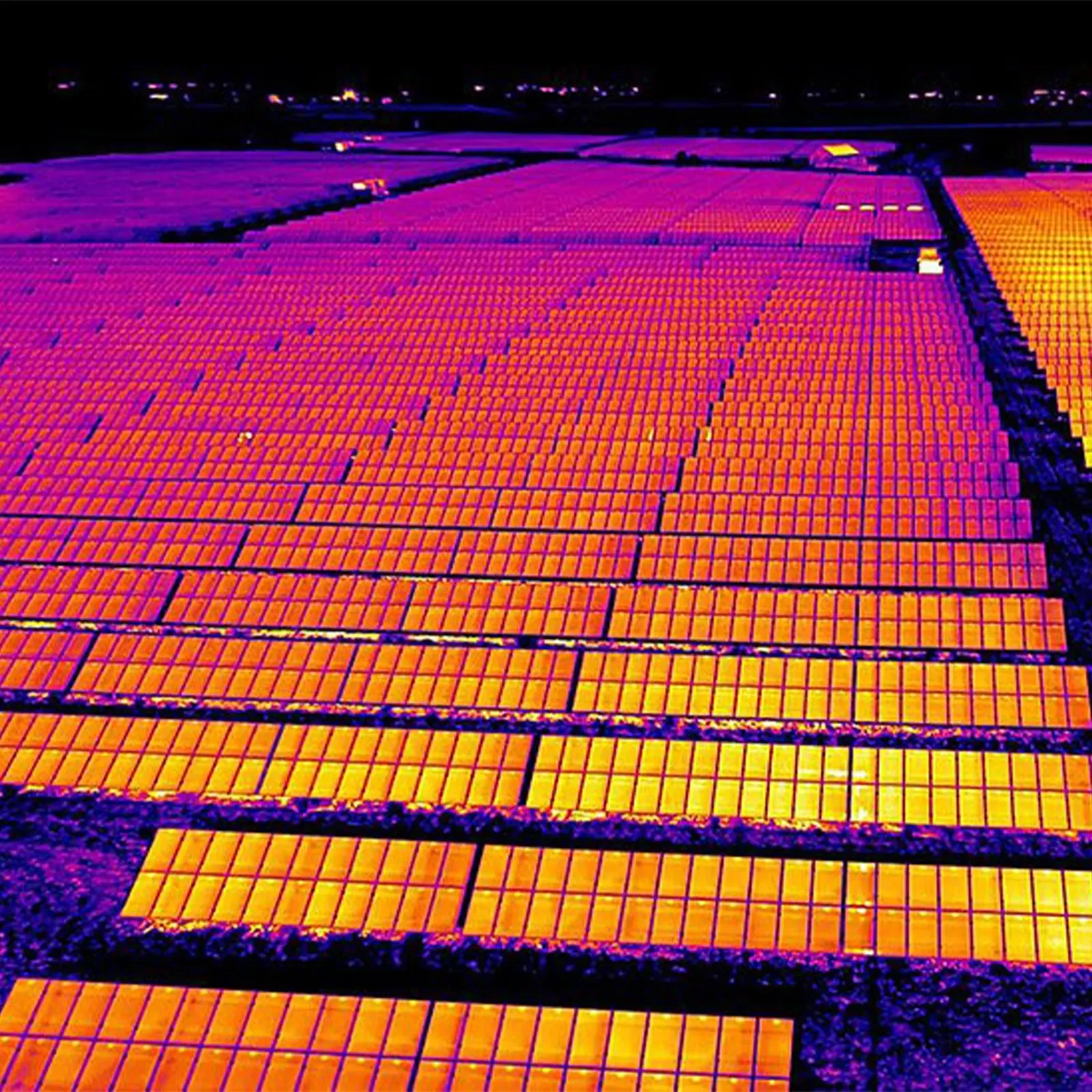
Thermal capture makes the building performance issues behind Scope 2 emissions visible and measurable.
What changed
ESG reporting in the UAE has crossed a line many facilities and asset management teams have not fully registered: it is no longer a voluntary sustainability exercise, it is an enforceable regulatory requirement. Listed companies face DFM and ADX disclosure rules aligned to GRI, TCFD, SASB and ISSB frameworks; private companies face growing obligations under the UAE's climate-related regulatory framework.
Across sectors, 2026 guidance points to integrated facilities management, particularly in real estate, healthcare, aviation, education and logistics, as a core mechanism for meeting sustainability benchmarks, not a side conversation to them. FM is no longer just a cost centre being asked to cut spend. It is being asked to produce evidence.
The compliance conversation so far has focused heavily on financial disclosure: what to report, to whom, and against which standard. Less attention has gone to a more basic operational problem: where the underlying data is actually supposed to come from.

The physical asset data gap
Here is the gap most teams have not closed. Scope 2 emissions reporting depends on understanding how a building actually performs: where energy is being lost, which systems are underperforming, which envelope defects are driving up HVAC load. That is physical condition data, not just utility billing data.
Most FM teams have the utility bills. Far fewer have a structured, repeatable way of capturing building envelope and system-level condition data that would let them explain why consumption looks the way it does, or demonstrate improvement over time.
A facade with degraded insulation, a roof with thermal bridging, an HVAC system radiating heat it should not be: these are exactly the issues that inflate Scope 2 emissions, and exactly the issues that are invisible in a utility bill but visible in a thermal scan.
How aerial thermal data fits the reporting requirement
Drone-based thermal imaging and structural condition monitoring were originally adopted in the UAE for a different reason: replacing scaffolding and rope access for facade and roof inspection. But the same data has a second, increasingly relevant use: it is direct physical evidence of the building performance issues behind Scope 2 emissions numbers.
- Thermal anomaly mapping identifies insulation failures and heat loss points that correlate directly with excess energy consumption.
- Repeated condition surveys create a defensible, dated record of whether remediation work actually improved performance: useful evidence for both auditors and investors.
- Structured inspection reports, formatted to UAE reporting standards, give sustainability and finance teams a physical-data input they can cite alongside utility data, rather than relying on billing data alone.
None of this replaces a proper ESG reporting framework or emissions accounting methodology. It closes a specific, practical gap: the physical evidence base that explains and substantiates the numbers going into that framework.
What facilities teams can do now
- Establish a baseline thermal and condition survey of key buildings before the next reporting cycle, rather than waiting for auditors to ask where the data comes from.
- Repeat surveys on a fixed schedule so condition change, and the impact of remediation, is trackable over time, not anecdotal.
- Bring sustainability, finance and facilities teams around a shared data source, so Scope 2 disclosures are backed by physical evidence, not estimates.
- Keep records in a format regulators and auditors can review directly, rather than a folder of raw images that still needs interpretation.
See how facilities management teams scope a baseline survey, or read what a digital twin adds when condition data is captured repeatedly over time.
About AIN UAE
GCAA & DCAA licensed drone data and digital twin company
Based in Dubai, working with developers, PMCs, engineering consultancies and facilities teams across the UAE and GCC. We build asset-level digital twins from drone photogrammetry and thermal data, delivered in formats that plug directly into Revit, Bentley and standard GIS platforms.
Talk through your portfolio