

Energy · 6 min read
Kuwait just sold a stake in its pipelines for $16 billion.Expect more eyes on asset condition.
When private capital takes a serious stake in a physical asset, the questions asked about its condition get more demanding, not less.
Published 27 July 2026 · AIN UAE
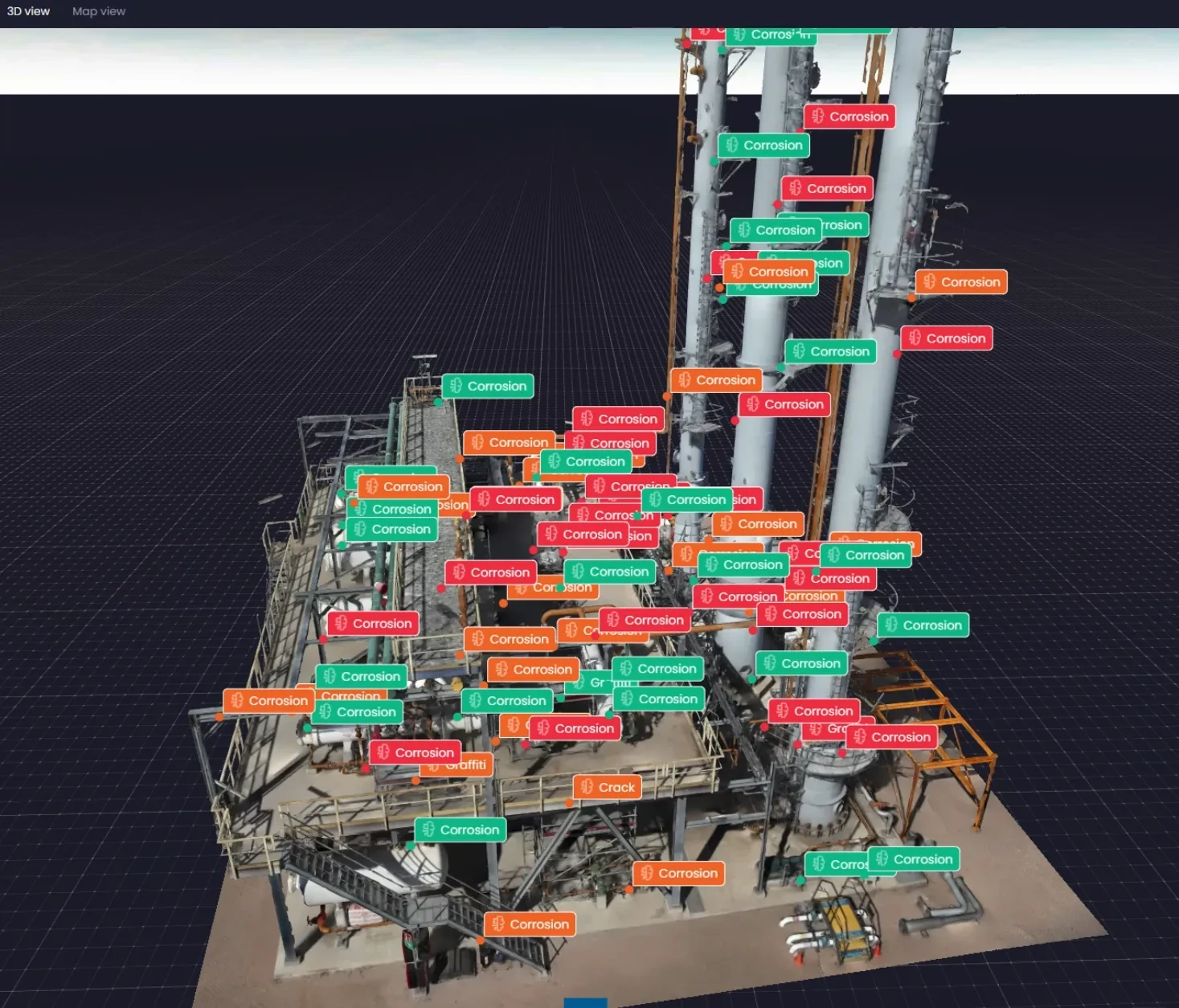
Private capital brings tighter condition-data expectations: structured, geo-referenced inspection records that hold up to investor and insurer due diligence.
On 25 July 2026, Kuwait Petroleum Corporation, through its Kuwait Oil Company unit, signed a $16 billion lease-and-leaseback deal with a consortium of Blackstone, Brookfield and KKR covering Kuwait's crude oil pipeline network, the largest single foreign direct investment in the country's history. Branded Project Peregrine, the deal gives the three global investors a 49% stake in a joint venture covering 13 pipelines running about 320 kilometres, while Kuwait Oil Company keeps a controlling 51% stake and full operational control. The transaction is expected to generate $7.85 billion in upfront proceeds when it closes, with payments tied to the volume of crude moved through the network over its 20.5-year term.
Deals like this tend to get read as financial news: a big number, a well-known consortium, a headline about foreign investment. But there's an operational story underneath it that matters just as much for anyone managing energy infrastructure in the Gulf. When private capital takes a serious stake in a physical asset like a pipeline network, the questions asked about that asset's condition change, and they usually get more demanding, not less.
What the deal actually involves
Kuwait Oil Company keeps operating the network day to day. What changes is who has a direct financial stake in how well that network performs over the next two decades. Blackstone, Brookfield and KKR aren't just financial backers here. They're now counterparties with a long-term interest in the physical condition of 320 kilometres of pipeline, because their returns depend on the asset actually moving crude reliably for the length of the agreement.
Why private investors care about 320 kilometres of steel
Infrastructure investors like Blackstone, Brookfield and KKR typically bring more rigorous asset management expectations than a purely state-run operation might have needed to satisfy internally. That's not a criticism of how Kuwait Oil Company has run the network. It's just what happens when a long-term financial partner enters a deal like this: condition monitoring, maintenance records and risk reporting tend to get formalised, standardised and audited more tightly, because now there's a second set of stakeholders with capital on the line.
New owners ask different questions
- How is pipeline condition actually verified, and how often?
- What does the maintenance and inspection record look like over the life of the asset, not just the last audit cycle?
- Is there a defensible, dated evidence base if a dispute or insurance claim comes up over the 20-year term?
These are exactly the questions that come up across the GCC energy sector whenever infrastructure moves toward private capital, joint ventures or long-term concessions, and Kuwait's deal is unlikely to be the last of its kind in the region.
What this signals beyond Kuwait
Energy infrastructure owners across the GCC, whether or not they're party to a deal like this one, are operating in a market where private capital is increasingly involved in critical assets. That raises the baseline for what good asset condition data looks like: not just internal maintenance logs, but structured, geo-referenced, repeatable inspection records that would satisfy an outside investor's due diligence, not just an internal audit.
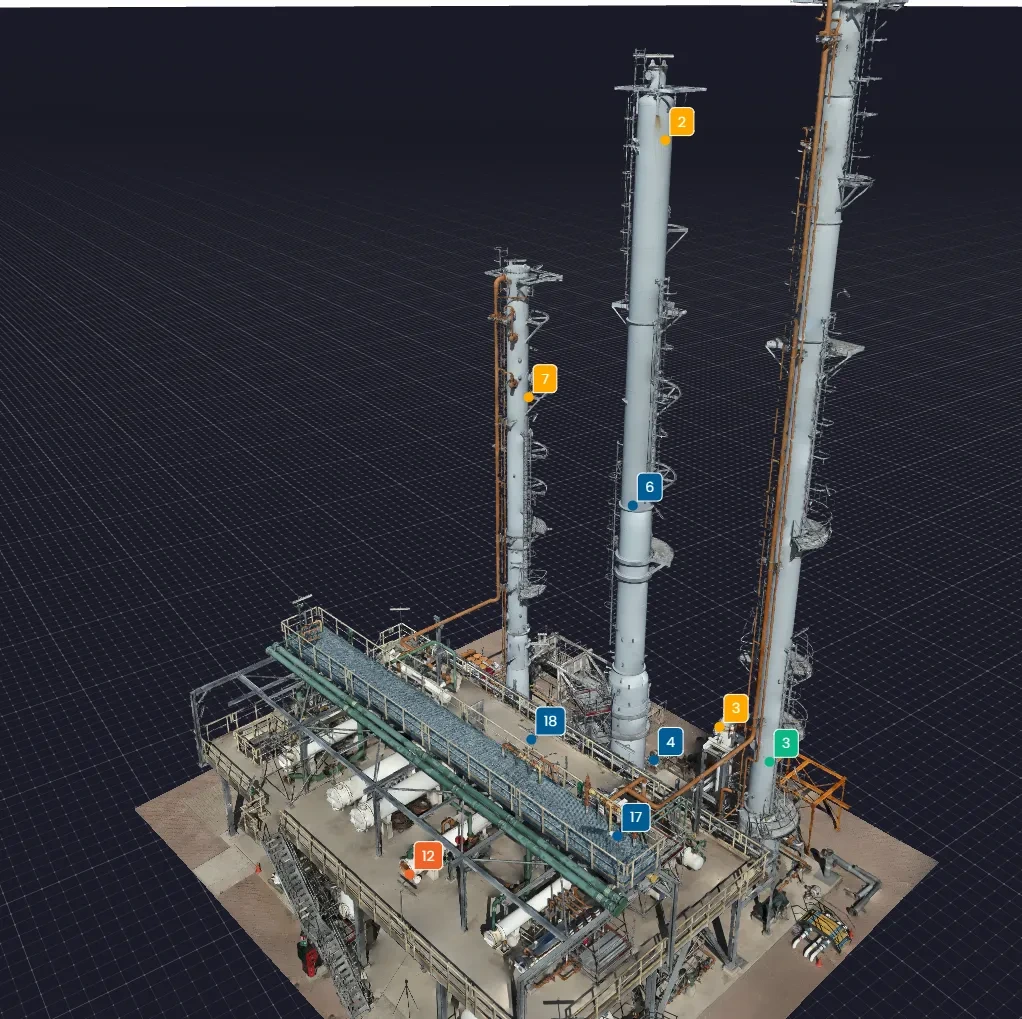
Pipeline operators, utilities and industrial asset owners who build that kind of record now, before a transaction forces the issue, are in a stronger position whether they're negotiating financing, insurance or a future partnership. A maintained digital twin is one way that record stays current between inspection cycles.
About AIN UAE
GCAA & DCAA licensed drone data and digital twin company
AIN UAE is a GCAA and DCAA licensed drone inspection and digital twin company based in Dubai, working with utilities, oil and gas operators and infrastructure owners across the UAE and GCC. We capture structured, geo-referenced condition data on pipelines, plant and transmission infrastructure that holds up to investor and insurer due diligence, not just an internal maintenance log.
Talk through your project